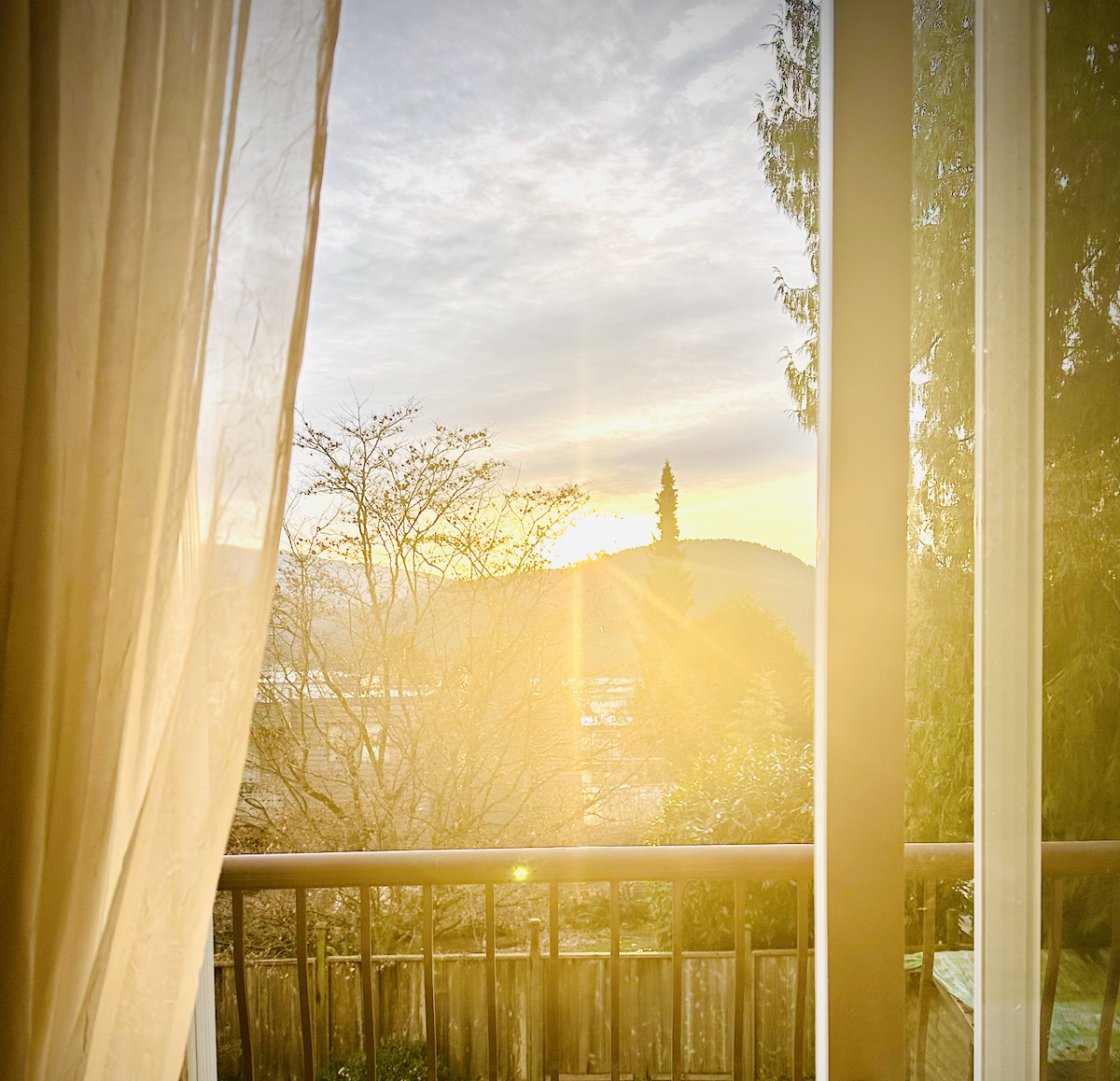
Sometimes stepping back is not about separating ourselves from the world, but creating enough space to see it with new eyes
Lately, I have been reflecting a lot on differences.
We live in a time where separation seems to occupy more and more space. Differences in religion, beliefs, cultures, identities, genders, political views, ways of loving, ways of raising children, and ways of living are often presented as if they had to define us permanently. It sometimes feels as though we are expected to choose a side, stay there, and defend it at all costs.
And yet, the more I move through life, the more I question this idea.
Because beyond all the forms we take, all the identities we adopt, and all the stories we tell ourselves, I keep coming back to one simple realization: our basic human needs are deeply similar.
We all want to feel loved.
We all want to feel safe.
We all want to belong.
We all want to feel free to express ourselves and to be accepted for who we are.
The ways we seek those needs may differ, but the essence often remains the same.
One thing I notice more and more is how quickly we react when something or someone triggers us. It has become common to place responsibility outside of ourselves: to point at the other person, criticize their perspective, or label them according to our discomfort. But over time, I have started to become curious about my own reactions.
What if sometimes the trigger is not the problem?
What if the trigger is simply showing us something within ourselves that is asking to be seen?
I am not saying we should accept everything or abandon our values. Boundaries are necessary. Discernment is necessary. Respecting ourselves is necessary.
But perhaps growth begins when we become willing to ask ourselves different questions.
Why does this affect me so much?
What belief is being challenged?
What part of me feels threatened?
Sometimes people are not entering our lives to agree with us. Sometimes they appear to reveal perspectives we had never considered or parts of ourselves we had not yet met.
Traveling and living in different countries has taught me this again and again.
Every culture I experienced expanded me in some way. Every language showed me that communication is not only about words but also about values, humour, ways of thinking, ways of relating to others and understanding life itself. Every move confronted me with my own assumptions and reminded me that what I considered “normal” was often simply familiar.
Differences stopped feeling threatening and started becoming enriching.
They invited me to question myself and taught me that life is rarely black or white.
Over time, I realized that one of the most liberating truths of adulthood is understanding that people change.
The opinions we defend today may evolve tomorrow. The truths we hold strongly may soften through experience. The version of ourselves we identify with today may not be the one we become in the future.
And perhaps that is not inconsistency.
Perhaps that is life.
From my experience, self-love has less to do with becoming attached to an identity and more to do with honoring ourselves honestly in each moment. It means respecting our feelings, our boundaries, our values, and our truth as they exist today, while giving ourselves permission to evolve tomorrow.
Because nothing is static.
Our ideas change.
Our relationships transform.
Our identities expand.
And we do too.
We are here only for a short period of time, and sometimes I wonder why we spend so much energy trying to prove who is right instead of trying to understand one another.
What if we remembered that beneath all labels and differences, we are all navigating the same human experience in different ways?
Perhaps we are all here playing the same game: remembering who we are, finding our own light, and learning how to share it with the world.
Not through fear.
Not through superiority.
Not through certainty.
But through love.
Because when we act from inner love, something softens.
We become less attached to being right and more open to connection. Less focused on defending our identity and more willing to allow life to transform us.
And maybe that is where true freedom begins.
Not in becoming the same.
But in allowing ourselves—and others—the freedom to become.